Certified Personal Trainer, Personal Trainer Long Beach, Yoga, Pilates Mat, Personal Trainer Coach, Fitness Coach, Nutritional Advice, Nutrition, personal training course

The Healthiest Foods You Can Get

The following is a list of the healthiest foods that you can get. This will help you get an idea as to what foods are the best for your body.

 healthiest foods

Fruits

Apricots
Apricots contain Beta-carotene which helps to
prevent radical damage and also helps to protect
the eyes. A single apricot contains 17 calories,
0 fat, and one gram of fiber. You can eat them
dried or soft.

Mango
A medium sized mango packs 57 MG of vitamin C,
which is nearly your entire daily dose. This
antioxidant will help prevent arthritis and also
boost your immune system.

Cantaloupe
Cantaloupes contain 117 GG of vitamin C, which is
almost twice the recommended dose. Half a melon
contains 853 MG of potassium, which is nearly
twice as much as a banana, which helps to lower
blood pressure. Half a melon contains 97 calories,
1 gram of fat, and 2 grams of fiber.

Tomato
A tomato can help cut the risk of bladder, stomach,
and colon cancers in half if you eat one daily.
A tomaton contains 26 calories, 0 fat, and only
1 gram of fiber.

Vegetables

Onions
An onion can help to protect against cancer. A
cup of onions offers 61 calories, 0 fat, and 3
grams of fiber.

Broccoli
Broccoli can help protect against breast cancer,
and it also contains a lot of vitamin C and beta-
carotene. One cup of chopped broccoli contains
25 calories, 0 fat, and 3 grams of fiber.

Spinach
Spinach contains carotenoids that can help fend
off macular degeneration, which is a major cause
of blindness in older people. One cup contains
7 calories, 0 fat, and 1 gram of fiber.

Grains, beans, and nuts

Peanuts
Peanuts and other nuts can lower your risk of
heart disease by 20 percent. One ounce contains
166 calories, 14 grams of fat, and over 2 grams of
fiber.

Pinto beans
A half cut of pinto beans offers more than 25
percent of your daily folate requirement, which
protects you against heart disease. Half a cup
contains 103 calories, 1 gram of fat, and 6 grams
of fiber.

Skim milk
Skim milk offers vitamin B2, which is important for
good vision and along with Vitamin A could improve
allergies. You also get calcium and vitamin D as
well. One cup contains 86 calories, o fat, and 0
fiber.

Seafood

Salmon
All cold water fish such as salmon, mackerel, and
tuna are excellent sources of omega 3 fatty acids,
which help to reduce the risk of cardiac disease.
A 3 ounce portion of salmon contains 127 calories,
4 grams of fat, and 0 fiber.

Crab
Crab is a great source of vitamin B12 and immunity
boosting zinc. A 3 ounce serving of crab offers
84 calories, 1 gram of fat, and 0 fiber.


Super foods for a Super Long Life

Recent research shows that specific chemicals in foods — such as sulforaphane, a phytochemical in broccoli — work with your genes to ratchet up your body’s natural defense systems, helping to inactivate toxins and free radicals before they can do the damage that leads to cancer, cardiovascular disease, and even premature aging.

And the hope for the future is to be able to tell someone what diseases or maladies they are might be genetically pre-dispositioned to early on, so their diets can be focused accordingly. We’ll know which ones to add, which ones to avoid, and be able to take a proactive role in preventing or deterring a genetic disease. In the meantime, many foods have been determined to pack a punch to the aging process.

foods

Lycopene, the pigment that makes tomatoes red, also appears to reduce risk for cardiovascular disease, some cancers, and macular degeneration. It’s also been associated in greater self-sufficiency in elderly adults. While fresh tomatoes have a good hit of lycopene, the most absorbable forms are found in cooked tomato products, such as spaghetti sauce and soup and prepared salsas. Pink grapefruit, guava, red bell peppers, and watermelon are also rich in lycopene.

Eating at least two cups of orange fruits like sweet potatoes, squash and carrots boosts intake of beta-carotene, which converts to vitamin A, essential for healthy skin and eyes, and which may also reduce the risk of some cancers, cardiovascular disease, and osteoporosis. Lutein and lycopene, also found in orange produce, also help reduce the risk of macular degeneration and may protect skin from sun damage and even reduce wrinkling as well. Mangos and cantaloupes are also beta-carotene endowed.

And if you don’t do anything else to change your diet, eat your dark leafy greens. They have been showed to significantly reduce your risk for heart disease and may also save your eyesight. Dietary guidelines advise at least three cups of greens a week. Frozen or bagged is as good as fresh.

Don’t forget the mental aging process either. The heart-healthy omega 3 fatty acids have also recently been shown to keep your brain sharp. A recent study found that a higher intake of fatty fish significantly reduced mental decline. If fresh fish isn’t an option, go for canned tuna, salmon, and sardines.


Color Your Way to Daily Health

It’s important that we eat plenty of different fruits and vegetables every day for good health. Diets rich in fruits and vegetables may reduce the risk of cancer and other chronic diseases. Fruits and vegetables provide essential vitamins and minerals, fiber, and other substances that are important for good health. Most fruits and vegetables are naturally low in fat and calories and are filling.

You’ve probably heard about the 5 A Day for Better Health program. It provides easy ways to add more fruits and vegetables into your daily eating patterns. It’s vital that we eat a wide variety of colorful orange/yellow, red, green, white, and blue/purple vegetables and fruit every day. By eating vegetables and fruit from each color group, you will benefit from the essential vitamins, minerals, and fiber that each color group has to offer alone and in combination.

health

There’s several different yet simple ways to start incorporating vegetables and fruit into your familiar and favorite meals. You can begin your day with 100 percent fruit or vegetable juice, slice bananas or strawberries on top of your cereal, or have a salad with lunch and an apple for an afternoon snack. Include a vegetable with dinner and you already have about 5 cups of fruits and vegetables. You may even try adding a piece of fruit for a snack or an extra vegetable at dinner.

Don’t be afraid to try something new to increase your vegetable and fruit intake. There are so many choices when selecting fruits and vegetables. Kiwifruit, asparagus, and mango may become your new favorite. Keep things fresh and interesting by combining fruits and vegetables of different flavors and colors, like red grapes with pineapple chunks, or cucumbers and red peppers.

Get in the habit of keeping fruits and vegetables visible and easily accessible – you’ll tend to eat them more. Store cut and cleaned produce at eye-level in the refrigerator, or keep a big colorful bowl of fruit on the table.


Changing How You Eat

As you may know, not fueling up with the right nutrients can affect how well your body performs and your overall fitness benefits. Even though healthy eating is important, there are myths that hinder your performance if you listen to them.

Below, you’ll find some myth busters on healthy eating.

you

1. Working out on an empty stomach.

If you hear a rumbling noise in your stomach, the rumbling is trying to tell you something. Without
listening to them, you are forcing your body to run without any fuel. Before you exercise or do any physical activity, always eat a light snack such as an apple.

2. Relying on energy bars and drinks.

Although they are fine every once in a while, they don’t deliver the antioxidants you need to prevent
cancer. Fruits and vegetables are your best bets, as they are loaded in vitamins, minerals, fluid, and fiber.

3. Skipping breakfast.

Skipping breakfast is never a good idea, as breakfast starts the day. Your body needs fuel as soon as possible, and without it, you’ll be hungry throughout the day.

4. Low carb diets.

Your body needs carbohydrates for your muscles and the storing of energy.

5. Eating what you want.

Eating healthy and exercising doesn’t give you an all access pass to eat anything you want. Everyone
needs the same nutrients whether they exercise or not, as well as fruits and vegetables.

6. Not enough calories

Although losing weight involves calories, losing it too quickly is never safe. What you should do, is aim for 1 – 2 pounds a week. Always make sure that you are getting enough calories to keep your
body operating smoothly. If you start dropping weight too fast, eat a bit more food.

7. Skip soda and alcohol.

Water, milk, and juice is the best to drink for active people. You should drink often, and not require on thirst to be an indicator. By the time you get thirsty, your body is already running a bit too low.

Changing how you eat is always a great step towards healthy eating and it will affect how your body performs. The healthier you eat, you better you’ll feel. No matter how old you may be, healthy eating is something you should strive for. Once you give it a chance, you’ll see in no time at all just how much it can change your life – for the better.


Superfoods to Rejuvenate Body, Mind and Spirit

When the goal is rejuvenating the body, mind and spirit, the method should be smaller, more frequent snacks and meals. This will help keep energy levels on an even keel, and regulate your blood sugar levels to avoid spikes and dips. When you choose the right combination of foods, your body gets the much-needed boost it needs to sustain itself properly, even through those slumps later in the day. So dump those high sugar junk foods and reach for the following foods and get that boost you need.

Any fresh fruit, especially with skins or seeds like peaches, apples, pears, oranges, and strawberries, is a great source of vitamins and fiber. In the summer you can choose a peach and get plenty of dietary fiber, niacin (vitamin B3), potassium, beta carotene and vitamin A, plus high amounts of vitamin C. Niacin is important for providing energy for cell tissue growth. Along with regulating fluid balance, potassium helps maintain the electrical stability of the cells of your heart and nervous system and is important for cell and muscle growth. Vitamin B12 plays a role in red blood cell formation, nerve function, and metabolizing protein and fat.

rejuvenating

Dried Apricots and Almonds combination provides a high amount of vitamin A, iron protein and dietary fiber. Both foods are low in cholesterol and sodium, and apricots are a great source of potassium, which is important in regulating your body’s fluid balance. The vitamin A in apricots contributes to healthy vision, bone growth, and reproduction, and helps fight infection.

Raisins are a healthy, low-fat, low-cholesterol, and low-sodium snack with significant amounts of potassium, phosphorus, copper, and iron, and when mixed with low-fat yogurt, you also get riboflavin (vitamin B2) and vitamin B12, as well as a high amount of calcium, which is needed not only for strong bones and teeth but also plays a key role in the normal functioning of the heart and other muscles.

Baby carrots and sesame sticks are a tasty treat that will provide significant amounts of beta carotene, vitamin A, vitamin C, folate, vitamin B6, iron, potassium, copper, and fiber. Beta carotene helps protect against diseases like heart disease and some cancers.

Vitamin A is important for healthy skin, for better night vision, and to fight infection and respiratory ailments. Folate, or vitamin B9, is essential to human life, helping to form red blood cells and break down proteins, and playing a key role in cell growth and division.

Peanut butter on some whole grain crackers is an excellent source of protein, iron, niacin, and fiber. Peanut butter on celery is a classic snack, has great staying power, and the celery is stuffed with numerous vitamins, minerals, and is high in fiber. Low-fat string cheese is a good quick source of protein and calcium. They come in easy-to-carry individual servings and you can add a piece of fresh fruit for extra fiber.

Healthy Diet Essentials

According to the United States Department of Agriculture, a healthy diet as one that Emphasizes fruits, vegetables, whole grains, and fat-free or low-fat milk and milk products; includes lean meats, poultry, fish, beans, eggs, and nuts; and is low in saturated fats, trans fats, cholesterol, salt (sodium), and added sugars. But just what minerals and nutrients are vital to our health and well-being? Consider these nutrient-dense foods when you’re looking to improve your vitamin and mineral intake.

Vitamin A is needed for good eyesight and optimal functioning of the immune system. Cod liver oil, dairy products, sweet potatoes and dark green leafy vegetables are all great natural food sources of vitamin A.

diet

Vitamin B1, also known as thiamin, is imperative to the body’s ability to process carbohydrates. Whole grain breads, cereals and pastas have high amounts of thiamin.

Riboflavin, or B2, can be found in fortified cereals, almonds, asparagus, eggs, and meat. It’s used in many body processes, including converting food into energy and the production of red blood cells.

Niacin, also known as B3, can be found in lean chicken, tuna, salmon, turkey, enriched flour, peanuts, and fortified cereals. It aids in digestion and also plays a key role in converting food into energy.

Vitamin B6 can be found in fortified cereals, fortified soy-based meat substitutes, baked potatoes with skin, bananas, light-meat chicken and turkey, eggs, and spinach. It’s vital for a healthy nervous system, and helps break down proteins and stored sugars.

Vitamin B12 is needed for creating red blood cells, and can be found in beef, clams, mussels, crabs, salmon, poultry, and soybeans.

Citrus fruits, red berries, tomatoes, potatoes, broccoli, cauliflower, Brussels sprouts, red and green bell peppers, cabbage, and spinach are all loaded with vitamin C, which is vital to promoting a healthy immune system, and making chemical messengers in the brain.

Vitamin D can be found in fortified milk, cheese, and cereals; egg yolks; salmon; but can also be made by the body from sunlight exposure. It’s needed to process calcium and maintain the health of bones and teeth.

Vitamin E functions as an antioxidant and is essential to your skin’s good health. Eat plenty of leafy green vegetables, almonds, hazelnuts, and vegetable oils like sunflower, canola, and soybean to get this vital nutrient.

Folic acid can be found in fortified cereals and grain products; lima, lentil, and garbanzo beans; and dark leafy vegetables. It’s vital for cell development, prevents birth defects, promotes heart health, and helps red blood cells form. Pregnant women need to take special care to ensure they are getting enough of this for themselves and their developing baby.

Dairy products, broccoli, dark leafy greens like spinach and rhubarb, and fortified products, such as orange juice, soy milk, and tofu are all loaded with calcium. Like vitamin D, it’s very important in helping to build and maintain strong bones and teeth.

Organ meats, oysters, clams, crabs, cashews, sunflower seeds, wheat bran cereals, whole-grain products, and cocoa products are all high in copper, which aids in metabolism of iron and red cell formation. It also assists in the production of energy for cells.

Iron can be found in leafy green vegetables, beans, shellfish, red meat, poultry, soy foods, and some fortified foods. It’s needed to transport oxygen to all parts of the body via the red blood cells.

Potassium can be found in foods like Broccoli, potatoes (with the skins on), prune juice, orange juice, leafy green vegetables, bananas, raisins, and tomatoes. It aids in nervous system and muscle function and also helps maintain a healthy balance of water in the blood and body tissues.

Red meat, fortified cereals, oysters, almonds, peanuts, chickpeas, soy foods, and dairy products are great dietary sources of zinc. Zinc supports the body’s immune function, reproduction capabilities, and the nervous systems.

Protein is the main component of muscles, organs, and glands. Every living cell and all body fluids, except bile and urine, contain protein. The cells of muscles, tendons, and ligaments are maintained with protein. Children and adolescents require protein for growth and development, and adults need it to maintain cell integrity. It can be found in foods like beans, milk and meat.

The primary function of carbohydrates is to provide energy for the body, especially the brain and the nervous system. Complex carbohydrates are the best choice for a stable blood sugar level. Whole grain breads and cereals, legumes, and starchy vegetables are all good complex carbohydrate sources.

Essential fatty acids play a part in many metabolic processes, and there is evidence to suggest that low levels of essential fatty acids, or the wrong balance of types among the essential fatty acids, may be a factor in a number of illnesses. Good sources are fish and shellfish, flax-seed, canola oil, pumpkin seeds, sunflower seeds, leafy vegetables, and walnuts.

Though this list is far from complete, it gives a good base of knowledge on which to build a healthy, well-balanced diet.


3 Ways You Can Boost Your Immune System And Stay

Would you like to boost your immune system so that you can stay healthy and well this year? Here are three basic steps you can take to ensure that your immune system is in tip-top shape.

Step One is to drink plenty of water. Your immune system requires lots of fresh, pure water to function properly. This is especially true if you are already sick, but drinking plenty of water can also help you stay well.

immune system

A general rule of thumb is to take your body weight and divide it by two. You should drink at least that many fluid ounces of water per day. For example, a 150 pound man should drink at least 75 fluid ounces of water per day.

Step Two is to take the right supplements. Glyco-nutrients and phyto-nutrients are both essential supplements to take to boost your immune system. Other supplements proven to help your immune function are certain vitamins, antioxidants, colostrum, etc. As with all nutritional supplements, you’ll want to ensure that you take top-quality ones, so they will do your body some good.

Just throwing a scoop of glyco-nutrient powder in your meals can go a long way to ensuring your immune system is functioning properly.

Step Three is to eat a basic healthy diet. Avoid sugars and refined foods, as they depress your immune system. Eat plenty of fresh fruits and vegetables.

10 Top Healthy Foods To Keep You Fit

Healthy eating and physical fitness go together, but there are no magic foods that cause you to be one hundred percent healthy by just eating the one food. No, you need a variety of foods from each of these food groups each day. It’s also important to watch the portion size so as not to overeat. Make your mealtimes pleasant and relaxed occasions and your healthy foods will work effectively with your healthy emotions to give you a healthy body.

healthy

Berries

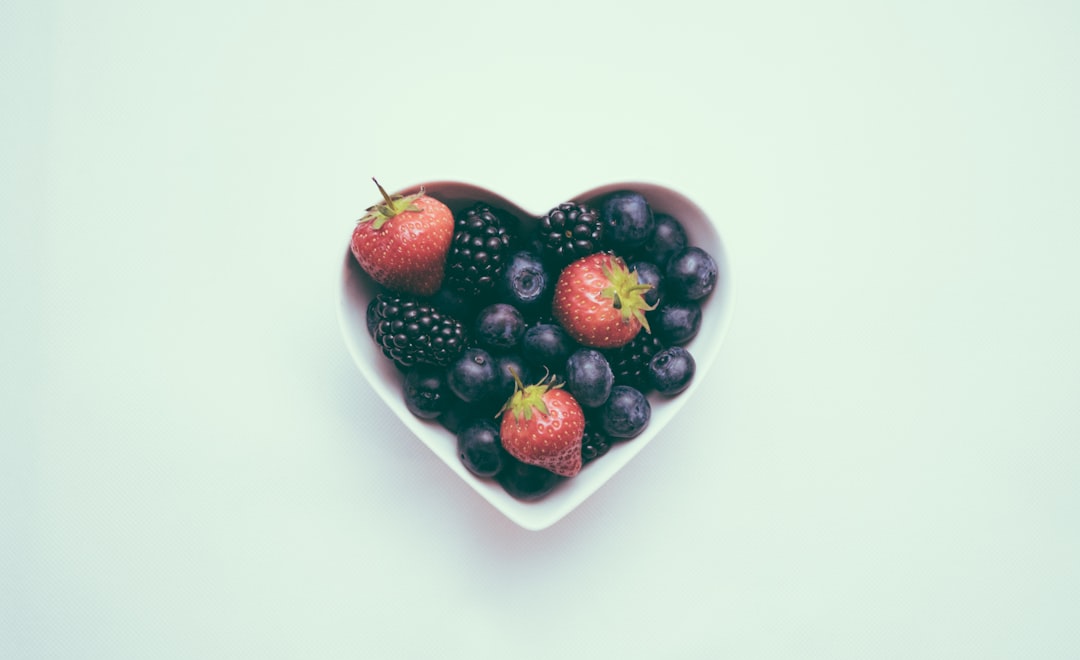
You may like all types of berries or just one or two favorites, but you can never go wrong by adding a few fresh berries as a quick energy snack or frozen berries made into a luscious smoothie in place of calorie laden desserts. Berries are high in vitamin C across the board, but some are high in other nutrients as well. Choose ripe blueberries for vitamin C and heaps of anti-oxidants for the health of your circulatory system. Gogi berries are less well-known but are wonderfully rich in many of the nutrients your body needs to be nutritionally and physically fit.

Citrus

The foods of the citrus family are widely recognized as a valuable source of vitamin C. Choose fully ripe citrus fruits for the best nutritional value and choose citrus as near to the tree as possible. Tree ripened fruits picked at the peak of perfection and consumed with hours of picking give you the top nutritional rating. Try grapefruit for breakfast. Add a dash of fresh squeezed lime to your salad as a dressing and enjoy slices of orange with coconut in a light honey dressing for dessert.

Vegetables

The variety of vegetables is amazing. For people who are vegetarian or vegan, choosing vegetables to be part of a nutritionally sound diet is a way of life. Your vegetable group provides many of the minerals required in a good diet. For example, you may realize that potassium is necessary for healthy nutrition. Many people claim the benefits of potassium found in a single banana. But did you know, you can also get adequate potassium in your diet by eating a stalk of broccoli? Try a salad of fresh young spinach topped with pine nuts and stirred with lightly cooked penne’. Feta cheese and a light vinaigrette dressing to create the perfect light luncheon meal.

Whole Grains

Like many other of the best foods, choosing only one type of whole grain for your meals doesn’t provide all the variety you need to be nutritionally sound. Often, mixing two or more whole grains together will give you complete proteins. For example, brown rice and wheat kernels with a spicy seasoning are a popular dish in many countries.

Salmon

Salmon is lean fish and nutritionally one of the best fish choices. It is rich in Omega-3 oils that are noted as helping improve the functioning of the brain. Salmon baked whole with just lemon or lime as a seasoning makes a fantastic main dish or a hearty luncheon featured menu item. Salmon is also commonly found in chilled seafood dishes.

Legumes

A legume is the name for a variety of fruits with a single dry seed. Legumes are sometimes called pods. Examples of edible legumes are soybeans, peas, dried beans and peanuts, among others. Legumes are rich in iron and high in fiber, making them excellent nutritional choices. Peanuts are a type of legume that have been used to make hundreds of different products some edible and others with various types of helpful uses.

Nuts and seeds

Nature has packed a lot of goodness into small packages. Most everyone has heard of walnuts and pecans which are very good nutritional products, but did you realize that flax seeds are brain food–containing critical non-meat sources of the Omega-3 oil.

Lean proteins

The keyword here is lean. Americans eat far too much protein compared to the rest of the world. Cut down of portion sizes–three ounces will provide all the needed protein needed for your day. Also, trim all visible fat from your protein source. Alternatively, use non meat substitutes such as the complete proteins found in vegetable dishes like beans and brown rice.

Tea

Depending on the type of tea you prefer, you can get an energy boost from a cup of green tea, or the calming effect of chamomile tea. Get going with mint teas or start your day with Earl Grey Breakfast Tea. Herbal teas are soothing, tasty and good for you. Non herbal teas will help you to stay alert when you need help to function.

Olive oil

Olive oil is probably the healthiest substance you can use to keep fat in your diet. You can use it on your salad, mix it with a little vinegar to create your own, or fry other foods in the hot oil. Just make sure that the temperature is not too hot so that the oil is broken down.


10 Things You Can Do To Lose Fat Without Even Trying

We hope you enjoy our quick guide on losing fat without breaking a sweat….

fat

  1. Eat smaller more frequent meals – not only is your metabolism boosted every time you eat something, your body can more efficiently process smaller meals. Instead of having 3 large meals in a day, try to break them up into 5 or 6 smaller meals.

  2. Drink more water – regular water intake helps to flush away waste products in the body. Get at least six to eight 8 oz. glasses per day. An easy way to do this is to keep a water bottle handy and drink from it frequently.

  3. Be inefficient – do you need to go to the kitchen to get a couple of things? Break it up into to two trips even if you can do it in one. Being inefficient like this can easily double your activity level, burning calories without even trying.

  4. Eat more protein – sources of protein include foods such as chicken, fish, eggs, dairy, beans, lean red meats, etc. Your body burns more calories processing protein than either carbohydrates or fats. Protein also helps to support your muscle tissue, which burns calories all day long!

  5. Take the stairs instead of the elevator – any time you can add in a little more physical activity, do it. This doesn’t mean you need to slog up 20 flights of stairs. Even a flight or two done regularly will add up.

  6. Don’t let yourself get hungry – when you get hungry you will have a much greater tendency to overeat when you do finally get something to eat. As well, because your body is starting to go into starvation mode, it will be much more likely to hold onto whatever you give it.

  7. Order small portions at restaurants – it’s tough to order small french fries when “supersizing” your order is such a great “value.” Take note, however, your real savings will occur in the calories that don’t end up on your backside.

  8. Eat more fiber – fiber is very filling. By eating more fiber you will find yourself full sooner. This feeling of fullness will last a long time as well.

  9. Wait 20 minutes between servings – your brain takes at least 20 minutes to register that you’re full. By waiting that long, you’ll give your brain a chance to realize that you don’t really need any more food.

  10. Cheat on your diet – one thing I always make my clients promise is that they will cheat on their diet. The only thing I ask that they do is to cheat ONLY when they have planned to cheat. By planning when you are going to eat the foods you crave, you take back control of your eating habits. This way you no longer “give in” to your cravings. You “reward yourself” for sticking to proper nutritional habits. Do this once or twice a week and you will feel far more in control of your eating.

In conclusion, if you follow even a few of these 10 easy tips in the long term, you will certainly notice a difference in your overall weight and health.


Do Yoda Proud-Meditation Techniques 101

Meditation refers to a state where your body and mind are consciously relaxed and focused. Practitioners of this art report increased awareness, focus, and concentration, as well as a more positive outlook in life.

Meditation is most commonly associated with monks, mystics and other spiritual disciplines. However, you don’t have to be a monk or mystic to enjoy its benefits. And you don’t even have to be in a special place to practice it. You could even try it in your own living room!

meditation

Although there are many different approaches to meditation, the fundamental principles remain the same. The most important among these principles is that of removing obstructive, negative, and wandering thoughts and fantasies, and calming the mind with a deep sense of focus. This clears the mind of debris and prepares it for a higher quality of activity.

The negative thoughts you have – those of noisy neighbors, bossy officemates, that parking ticket you got, and unwanted spam– are said to contribute to the ‘polluting’ of the mind, and shutting them out is allows for the ‘cleansing’ of the mind so that it may focus on deeper, more meaningful thoughts.

Some practitioners even shut out all sensory input – no sights, no sounds, and nothing to touch – and try to detach themselves from the commotion around them. You may now focus on a deep, profound thought if this is your goal. It may seem deafening at first, since we are all too accustomed to constantly hearing and seeing things, but as you continue this exercise you will find yourself becoming more aware of everything around you.

If you find the meditating positions you see on television threatening – those with impossibly arched backs, and painful-looking contortions – you need not worry. The principle here is to be in a comfortable position conducive to concentration. This may be while sitting cross-legged, standing, lying down, and even walking.

If the position allows you to relax and focus, then that would be a good starting point. While sitting or standing, the back should be straight, but not tense or tight. In other positions, the only no-no is slouching and falling asleep.

Loose, comfortable clothes help a lot in the process since tight fitting clothes have a tendency to choke you up and make you feel tense.

The place you perform meditation should have a soothing atmosphere. It may be in your living room, or bedroom, or any place that you feel comfortable in. You might want an exercise mat if you plan to take on the more challenging positions (if you feel more focused doing so, and if the contortionist in you is screaming for release). You may want to have the place arranged so that it is soothing to your senses.

Silence helps most people relax and meditate, so you may want a quiet, isolated area far from the ringing of the phone or the humming of the washing machine. Pleasing scents also help in that regard, so stocking up on aromatic candles isn’t such a bad idea either.

The monks you see on television making those monotonous sounds are actually performing their mantra. This, in simple terms, is a short creed, a simple sound which, for these practitioners, holds a mystic value.

You do not need to perform such; however, it would pay to note that focusing on repeated actions such as breathing, and humming help the practitioner enter a higher state of consciousness.

The principle here is focus. You could also try focusing on a certain object or thought, or even, while keeping your eyes open, focus on a single sight.

One sample routine would be to – while in a meditative state – silently name every part of you body and focusing your consciousness on that part. While doing this you should be aware of any tension on any part of your body. Mentally visualize releasing this tension. It works wonders.

In all, meditation is a relatively risk-free practice and its benefits are well worth the effort (or non-effort – remember we’re relaxing).

Studies have shown that meditation does bring about beneficial physiologic effects to the body. And there has been a growing consensus in the medical community to further study the effects of such. So in the near future, who knows, that mystical, esoteric thing we call meditation might become a science itself!


Meditation

Beginners Guide To Yoga *FREE DOWNLOAD*

.