Eating Healthy On A Budget

If you have problems serving healthy foods because of the prices, you’ll find these tips to be just what you need to eat healthy on a budget.

  1. Eliminate junk food-Doing your shopping on your own is the easiest way to shop, as children and sometimes spouses are usually the ones requesting junk food. Shopping alone will prevent this, and ensure that you only buy the foods you need.
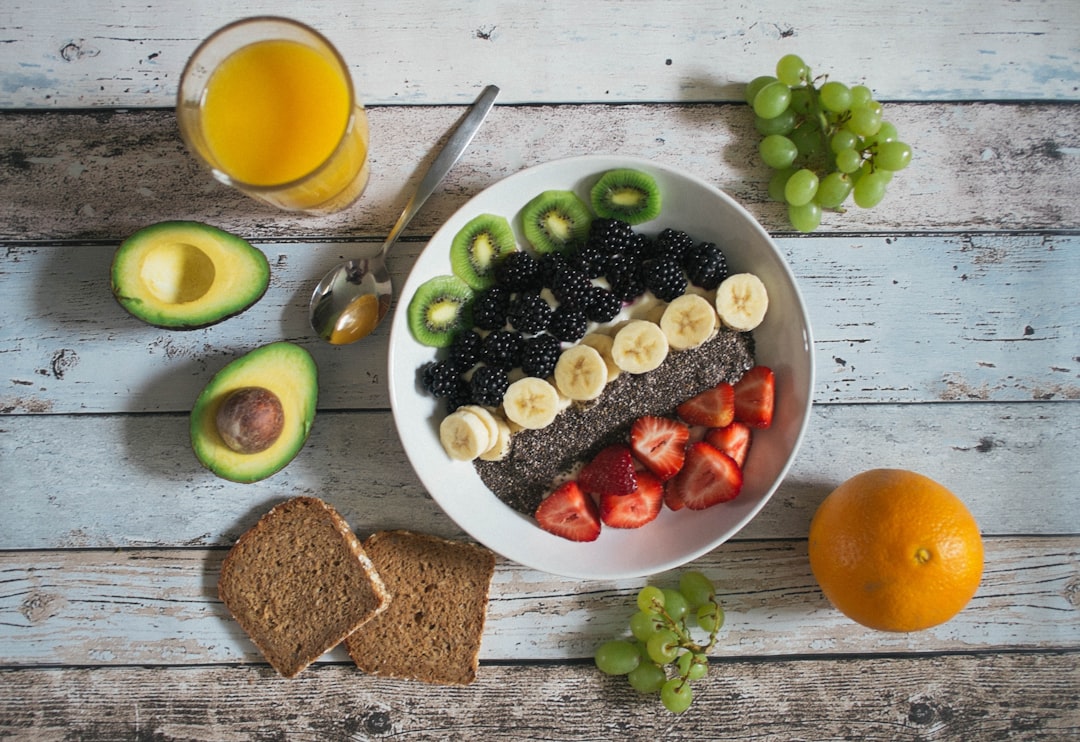
healthy

  1. Water or milk instead of soft drinks-You can still enjoy your favorite drinks at a sporting event or night out, although you should stick with the smallest size when shopping to save money and calories. Children and even adults need
    milk or milk products on a daily basis. Milk will also help you get strong and provides calcium for
    healthy bones and healthy teeth.

  2. Buy fruits in quantity-When they are in season, buy fruits in quantity and freeze any extras. You can buy several pounds this way, and freeze extras to have them when the fruit goes out of season. Wash the fruit well, remove any spoiled pieces, dry thoroughly, then freeze in plastic zipper bags.

  3. Meats and beans-Meats and beans are the best sources for protein. Lean meat is more expensive than meats with a lot of fat. Canned beans are a great deal as well, as they give you protein at a great price.

  4. Beans as a substitute-You should use beans a substitute for meat on a frequent occasion. There are several varieties, so you can prepare them in a crock pot, so when you return home they are ready to consume.

The USDA recommends eating beans at least 4 times per week. If you experience gas after eating
beans you should try washing them, covering them with water, bringing the water to a boil, then
draining it off and refilling the pot.

  1. If you live in a coastal area or an area where fish are around, make that an integral part of your diet. You can catch them from the lakes or rivers, saving money in the process.

  2. Peanut butter is great for those on a budget as it’s popular with almost everyone. You can use it for sandwiches instead of eating hot  dogs. It does need to be refrigerated, although bigger jars can last you for weeks.

  3. You should fill up with foods that have a high content of water. Watermelon, salads, and even
    sugar free gelatin are all great examples.

Eating healthy is always something you can’t go wrong with. You can eat healthy for just a few bucks, which makes it perfect for those on a budget. Now, you don’t need a lot of money to have
the lifestyle and health you’ve always wanted.


Eating Healthy When Eating Out

If you go out to a restaurant to eat, you probably watch your calories very closely. To assist you with your calorie watching when dining out, these tips will help you make the most of it.

  • Always order salad dressings or sauces on the side, as this way you have control over how much you add to your meal.

  • When you order grilled fish or vegetables, you should ask that the food be grilled without butter or oil, or prepared with very little or either

out

  • Anytime you order pasta dishes, be on the lookout for tomato based sauces instead of the cream based sauces. Tomato based sauces are much lower in fat and calories, and tomato sauce can even be counted as a vegetable!

  • You should always try to drink water, diet soda, or tea instead of soda or beverages that contain
    alcohol.

  • If you order dessert, share with a friend. Half of the dessert will equal half of the calories.

  • When you choose a soup, remember that cream based soups are higher in fat and calories than
    other soups. A soup can be a great appetizer, as most are low in calories and you fill you up pretty
    fast.

  • When ordering a baked potato, ask for salsa instead of sour cream, butter, cheese, or even bacon. Salsa is very low in calories and provides a healthy alternative with plenty of flavor and spice.

  • When you are full, stop eating. Listen to your body and what it tells you.

  • If you get full, take half of your meal home. The second portion of your meal can serve as a second
    meal later. This way, you get two meals for the price of one.

  • If you’re looking to eat less, order two appetizers or an appetizer and a salad as your meal.

  • If you get a choice of side dishes, get a baked potato or steamed vegetables instead of french
    fries.

  • Always look for food on the menu that’s baked, grilled, broiled, poached, or steamed. These types
    of cooking use less fat in the cooking process and are usually much lower in calories.

  • Plain bread or rolls are low in both fat and calories. When you add the butter and oil, you increase the fat and calorie intake.

  • As key ingredients to your meal, choose dishes with fruits and vegetables. Both fruits and vegetables are great sources of dietary fiber as well as many vitamins and minerals.

  • Choose foods made with whole grains, such as whole wheat bread and dishes made with brown rice.

  • If you crave dessert, look for something with low fat, such as berries or fruit.

  • Always remember not to deprive yourself of the foods you truly love. All types of foods can fit into a well balanced diet.

10 Top Healthy Foods To Keep You Fit

Healthy eating and physical fitness go together, but there are no magic foods that cause you to be one hundred percent healthy by just eating the one food. No, you need a variety of foods from each of these food groups each day. It’s also important to watch the portion size so as not to overeat. Make your mealtimes pleasant and relaxed occasions and your healthy foods will work effectively with your healthy emotions to give you a healthy body.

healthy

Berries

You may like all types of berries or just one or two favorites, but you can never go wrong by adding a few fresh berries as a quick energy snack or frozen berries made into a luscious smoothie in place of calorie laden desserts. Berries are high in vitamin C across the board, but some are high in other nutrients as well. Choose ripe blueberries for vitamin C and heaps of anti-oxidants for the health of your circulatory system. Gogi berries are less well-known but are wonderfully rich in many of the nutrients your body needs to be nutritionally and physically fit.

Citrus

The foods of the citrus family are widely recognized as a valuable source of vitamin C. Choose fully ripe citrus fruits for the best nutritional value and choose citrus as near to the tree as possible. Tree ripened fruits picked at the peak of perfection and consumed with hours of picking give you the top nutritional rating. Try grapefruit for breakfast. Add a dash of fresh squeezed lime to your salad as a dressing and enjoy slices of orange with coconut in a light honey dressing for dessert.

Vegetables

The variety of vegetables is amazing. For people who are vegetarian or vegan, choosing vegetables to be part of a nutritionally sound diet is a way of life. Your vegetable group provides many of the minerals required in a good diet. For example, you may realize that potassium is necessary for healthy nutrition. Many people claim the benefits of potassium found in a single banana. But did you know, you can also get adequate potassium in your diet by eating a stalk of broccoli? Try a salad of fresh young spinach topped with pine nuts and stirred with lightly cooked penne’. Feta cheese and a light vinaigrette dressing to create the perfect light luncheon meal.

Whole Grains

Like many other of the best foods, choosing only one type of whole grain for your meals doesn’t provide all the variety you need to be nutritionally sound. Often, mixing two or more whole grains together will give you complete proteins. For example, brown rice and wheat kernels with a spicy seasoning are a popular dish in many countries.

Salmon

Salmon is lean fish and nutritionally one of the best fish choices. It is rich in Omega-3 oils that are noted as helping improve the functioning of the brain. Salmon baked whole with just lemon or lime as a seasoning makes a fantastic main dish or a hearty luncheon featured menu item. Salmon is also commonly found in chilled seafood dishes.

Legumes

A legume is the name for a variety of fruits with a single dry seed. Legumes are sometimes called pods. Examples of edible legumes are soybeans, peas, dried beans and peanuts, among others. Legumes are rich in iron and high in fiber, making them excellent nutritional choices. Peanuts are a type of legume that have been used to make hundreds of different products some edible and others with various types of helpful uses.

Nuts and seeds

Nature has packed a lot of goodness into small packages. Most everyone has heard of walnuts and pecans which are very good nutritional products, but did you realize that flax seeds are brain food–containing critical non-meat sources of the Omega-3 oil.

Lean proteins

The keyword here is lean. Americans eat far too much protein compared to the rest of the world. Cut down of portion sizes–three ounces will provide all the needed protein needed for your day. Also, trim all visible fat from your protein source. Alternatively, use non meat substitutes such as the complete proteins found in vegetable dishes like beans and brown rice.

Tea

Depending on the type of tea you prefer, you can get an energy boost from a cup of green tea, or the calming effect of chamomile tea. Get going with mint teas or start your day with Earl Grey Breakfast Tea. Herbal teas are soothing, tasty and good for you. Non herbal teas will help you to stay alert when you need help to function.

Olive oil

Olive oil is probably the healthiest substance you can use to keep fat in your diet. You can use it on your salad, mix it with a little vinegar to create your own, or fry other foods in the hot oil. Just make sure that the temperature is not too hot so that the oil is broken down.


Tips For Better Eating Habits

Considering the Bulging Waist Lines of 66% of The Population it is obvious that sticking to a healthy eating plan is a challenge for many people . If your are having problems sticking with that resolution that you set in January, here are some simple tips to help you start to create new and healthy eating patterns

Calories count. It’s not low fat vs. low carb. You can eat fewer calories by eating less food (which is why you can lose weight on any diet that restricts entire categories of foods or limits portion sizes), but you may get hungry and gain it back. Fat has 9 calories per gram, but protein and carbohydrates have only 4 calories per gram. This means that when you eat less fat, you consume fewer calories without having to eat less food. Eat less fat and fewer simple carb.

eating

To achieve a one pound weight loss per week, 3500 calories should be subtracted from your normal weekly caloric intake. To do this, reduce your normal daily caloric consumption by 200 to 300 calories per day and increase your physical activity with a goal of burning an additional 200 to 300 calories per day.

Don’t diet. Instead of saying “I can’t have that, I am on a diet” try “I don’t want that, I am changing my eating habits”

Be accountable for what and how much you eat – keep a food journal for a month or at the very least a few weeks to be aware of what, when and why you are eating . Paying attention to physical cues and signals can help you determine when your body is cuing you to eat due to hunger as opposed mental or external cues. Ask yourself, “Am I really hungry or am I eating because ..it is there, it smells good, I don’t want to waste food, I’m stressed, I am bored (insert your favorite here).

Do not restrict foods! There are no bad foods, only inappropriate portion sizes. If you neglect certain food groups, you’ll end up craving those foods and binging . You also miss out on vital nutrients.
Weigh and measure foods for at least a month but at the very lease 2 weeks to be aware of serving sizes and portions. Serving sizes and portions have gotten so distorted over the years in restaurants and the like that most people are completely unaware of what a single serving actually looks like . Most restaurants servings are 2-3 times single serving sizes.

Don’t skip meals – eating 5-6 times a day not only stimulates your metabolism but will keep your blood sugar level eating and avoid overeating

Be positive. Recognize irrational thoughts. Focus on the things that you have done right and the positive changes that you have made. Remember – success breeds success.

Lose weight in a way that enhances your health not in a way that detracts from it You can lose weight by smoking cigarettes or taking such but they are not healthful ways of doing so and you will soon reusme your old habits (and weight)

Avoid trans-fatty acids and partly hydrogenated fats (“bad fats”). They may increase the shelf life of certain food products, but they decrease the shelf life of people who eat them.

Eat fewer “bad carbs” like sugar and white flour. They are low in fiber, so they are a double punch if you are trying to create healthy eating habits : a lot of calories that don’t fill you up,
Eat more “good carbs” like fruits, vegetables, legumes and unrefined grains (such as whole-wheat flour and brown rice). They are rich in fiber, which slows absorption and fills you up before you take in too many calories.

What you include in your diet is as important as what you exclude. With few exceptions, those protective antioxident and health benefiting substances are found in good carbs, such as fruits, vegetables, whole grains and legumes.

Eat less red meat. Dr. Atkins may have disagreed, but it’s loaded with artery-clogging saturated fat and has been linked to an increased risk of cancer.

Begin by making moderate changes in your diet. If you want to lower your cholesterol level or weight even more (or if you have heart disease and want to reverse it), you may need to make bigger changes.

Choose quality over quantity. Smaller portions of good foods are more satisfying than larger portions of junk foods, especially if you pay attention to what you’re eating!!!!


Muscle vs. Fat and Your Energy Level

Right now, the greatest results in raising our metabolism come from exercise and building our muscle mass, while reducing our body fat. Adding more muscle to the body, in turn causes us to burn more calories, and this helps to elevate our metabolic rate.

What determines our metabolic rate, as far as our genetics? Generally, we tend to inherit the same tendencies for metabolic rates, body frames, and other related body functions from our parents.
All of this metabolic process is related to our calorie intake, our vitamin and nutrition needs, our thyroid and endocrine production, and how well all of these processes come together.

muscle

The body’s metabolism is a unique process for each individual person. No two people metabolize food at the same rate therefore no two people have the metabolism. We all use our calories at different rates, with different results. Our metabolism, like our fingerprints is unique to each of us. But the need to understand and accommodate this metabolism is an issue that we all face. I said all of that, to say this, our metabolism affects our energy levels, and our muscle mass and body fat also affect our energy levels. When you bring the two together, you have the opportunity to create lots of energy, raise a person’s self-esteem, and give them a new lease on life. But all of this isn’t easy to attain.

Some people have really high rates of metabolism. In other words, when they consume food, their bodies burn it up almost as fast as then consume it. Then there are those of use who use our food intake so slowly, as to not even notice that we’re burning calories. These people who burn quickly are often slim and trim, the people who burn more slowly are the people with a tendency toward obesity. The people with really high metabolic rates are generally the people who feel better and have the most energy. Their body is using the food intake to its maximum, and the body feels alive and full of vitality. The sluggish metabolism on the other hand, can have almost the opposite situation; low energy levels, with very little motivation to make lifestyle changes.

The only recourse we have in trying to control our body weight, metabolic burn and health is through our thorough understanding of the role food plays in our calorie consumption versus our calorie need, and control how much of the calories we take in.

Our metabolism functions also depend on how well we have taken care of our nutritional needs. The process of burning calories and creating energy is a delicate one, and one which must be carefully tended, or it can become imbalanced. It is often through these natural imbalances that we tend to “inherit’ our metabolic rate, our body weight, and the lower energy levels.

I believe through careful analysis, and attention to each person’s unique needs, we could bring about a more natural balance of the metabolic burn vs. the calorie intake. To a level where optimal health and weight control are in equilibrium.


How Much Food is Enough?

As you study the food pyramid published by the USDA, we can examine some of the better foods, and try to decide what particular formulas make us the healthiest on average. The average person needs an hour of physical exercise, six to eleven servings of grains, two to four servings of fruit, three to five servings of vegetables, two to three servings of meat, two to three servings of milk, and enough water to make it all work.

The foods of the food pyramid are necessary for our optimal health. But in what quantities and which ones are the best? These are questions that must be tailored to our individual needs. And the answers will benefit our unique needs. Healthy for me, is not the same as healthy for you. Everyone’s nutritional needs are different, and everyone’s level of calorie consumption is different.

The guidelines found on the general chart of the pyramid are as listed above, and this could be the formula for an eighty year old man, or a fifteen year old girl. The recommended daily calorie intake is just as vague and generalized as the daily food intake pyramid. Can you see how this might not work for either one? When a guideline published is this general, it is up to the individual to determine what food regimen will keep them at their healthiest, provide the caloric intake necessary, but not excessive.

According to the guides published by the USDA, calorie needs vary from one age group to another, one gender to another. So how do you determine what your individual needs are? You can setup a journal for recording your daily caloric intake for about a month. Make a note of your weight each day. If you don’t gain any weight during the course of that month, you’re eating your recommended calorie level in order to maintain your weight. Now, take that calorie information, use the food pyramid and comprise a combination of foods that will help you achieve this recommended daily intake, and still be enough to be filling and please the palette. You now have an individualized healthy eating plan.

Once the importance of a particular food plan is understood by us, it is a simple as learning our multiplication tables. We simply memorize the food requirements, and incorporate it into our daily intake as needed. As you take the time to incorporate a healthy food plan, don’t’ forget the necessity of exercise in our daily lives. In order to keep our bodies healthy and functioning as expected, we need to keep it fit. This comes through proper amounts of exercise

It is at this point in the process that we seem to lack the direction to finish what the government started. Maybe we need to incorporate these techniques into a class taught at school. Maybe this would give our young people the direction and tools they need in order to begin such a process, make it a lifetime habit, and pass it along to their children. Whatever the formula, your food intake and level of calorie content, will affect your general overall health everyday. Overeating can bring on obesity, under eating can bring about anemia; you need to find that one right guide for you, and plan, plan, plan.


How Does Our Food Intake Affect Our Health?

We can examine some of the better foods, and offer advice as to what particular formulas make us the healthiest on average. On average, you need an hour of exercise and enough servings from all the food groups to completely cover the food pyramid.

This could be the formula for an eighty year old man, or a fifteen year old girl. The recommended daily calorie intake is just as vague and generalized as the daily food intake pyramid. Can you see how this might not work for either one? When a guideline published is this general, it is up to the individual to determine what food regimen will keep them at their healthiest, and then implement such a plan.

food


The foods of the food pyramid are necessary for our optimal health. But in what quantities and which ones are the best? These are questions that must be tailored to our individual needs. So must the answer to what foods make us healthy be a unique one.

Healthy for me, is not the same as healthy for you. Everyone’s nutritional needs are different, and everyone’s level of calorie consumption is different.

Once the importance of a particular food plan is understood by us, it is a simple as learning our multiplication tables. We simply memorize the benefit, and incorporate it into our daily intake as needed. As you take the time to incorporate a healthy food plan, don’t’ forget the necessity of exercise in our daily lives. In order to keep our bodies healthy and functioning off of healthy food, we need to keep it fit. This comes through proper amounts of exercise.

According to the guides published by the USDA, your calorie needs are as individual as you. So how do you determine what your individual needs are? There’s one simple way to determine your calorie needs, simply keep a journal of your daily food intake. Now, take that calorie information, check with a nutritionist about the recommended daily allowances of vitamins and minerals that you need. Take both pieces of information, calorie intake and nutritional requirements, use the food pyramid and comprise a combination of foods that will help you achieve these recommended daily intakes, and still be enjoyable food. You now have an individualized healthy eating plan.

What those foods might be, are entirely dependent upon the unique guideline you have just established. This guide will not work for Cousin Bob, or Aunt Tilley, but it is the unique blueprint for you. It is at this point in the process that we seem to lack the direction or the discipline to finish what the government started. Maybe we need to incorporate these techniques into a class taught at school. Maybe this would give our young people the direction and tools they need in order to begin such a process, make it a lifetime habit, and pass it along to their children. Whatever the formula, your food intake, types and level of calorie content, will affect your general overall health everyday. Overeating can bring on obesity, under eating can bring about anemia; you need to find that one right guide for you, and plan, plan, plan.


More Fat, Less Carbs

Over the last thirty years, food nutritionists and the food industry as a whole have embraced the idea of lowering our fat intake. This was a direct result of the information published by the government that encouraged less egg consumption because of the cholesterol found in eggs. After that particular piece of information, doctors began to discover that when we consume fat, we have higher incidences of cholesterol problems. The logical conclusion: fat must be bad for you. And so, an entire generation as grown up with fat-free foods. A whole generation grew up believing that fat was what made us fat, clogged our arteries, and generally caused ill-health.

So what did we do? We turned to carbs to make up for the loss in taste of food that had the fat removed; for you see, fat is what gives many of our foods their delicious taste. When you remove the fat, the taste must be artificially injected into the food. The end result is a food that is higher in carbohydrate content, but lower in fat. Hence, all the wonderful labels displaying the claim of “fat free” but neglect to mention the higher level of carbohydrates. Lowered fat should have created a population of slim, trim, healthy people. Right?

fat

We could not have been further from the truth. As it turns out, fat is a necessary part of our metabolic processes. We need the fat in order to properly utilize many of the vitamins and nutrients we consume. When did we make this discovery? Probably some thirty years too late for some people.

Now, more in-depth research has revealed that maybe it wasn’t the fat that created the cholesterol levels that were out of control. Maybe it was a combination of lifestyle and food habits that created dangerous levels of cholesterol. The startling discovery that there are two kinds of cholesterol: HDL and LDL. There are certain kinds of fat that contribute to the overall health of our arteries, not to their detriment. How could we have been so wrong? Because, just as many times before, the doctors performing these tests, found what they wanted to fine, not necessarily the truth. Further testing could have produced the same results in the beginning that they produced in the end.

Now, we have whole food industry formed around low or no-fat food alternatives. These companies have large amounts of money invested in the production of these foods, and is not going to be able or willing to turn around on a dime. It’s because of corporate investment that current knowledge about the “good” fat has been suppressed as long as it has. It is a very expensive piece of knowledge that is being passed on to the public today. So expensive, that some companies would be out of business were they to try and reverse their food processing.

Some of the fat that our bodies produce protects us from sickness and disease, and some forms of fat that we produce are necessary for our organs to function correctly. Many of the carbohydrates that we artificially inject into food become stored fat that creates obesity. It would seem to me, that we have traded the normal, necessary good, for the artificial bad.


What is Metabolism?

The dictionary defines  as the sum of all biochemical processes involved in life, or the sustaining of life. In application concerning our health, metabolism is related to the intake and use of food. In reference to the case in point it is our ability to utilize our food to the fullest extent.

The body’s metabolism is a unique process for each individual person. No two people metabolize food at the same rate therefore no two people have the metabolism. We all use our calories at different rates, with different results. Our metabolism, like our fingerprints is unique to each of us. But the need to understand and accommodate this metabolism is an issue that we all face.

metabolism

Some people have really high rates of metabolism. In other words, when they consume food, their bodies burn it up almost as fast as then consume it. Then there are those of use who use our food intake so slowly, as to not even notice that we’re burning calories. These people who burn quickly are often slim and trim, the people who burn more slowly are the people with a tendency toward obesity.

All of this metabolic process is related to our calorie intake, our vitamin and nutrition needs, our thyroid and endocrine production, and how well all of these processes come together. For years, people have sought ways to raise the metabolic rate. If you can raise someone’s metabolic rate, you are then better able to control the burn of calories, especially for overweight or obese people. This would make the goal of better or improved health a much easier reality for those people. Efforts to date have produced very little results. There are foods that we can consume that naturally raise our metabolic rate, but not to a great extent. What we need is a way to directly alter the rate. We need to be able to raise our metabolism to a point where we can actually see a benefit.

Right now, the greatest results in raising our metabolism come from exercise and building our muscle mass, while reducing our body fat. Adding more muscle to the body, in turn causes us to burn more calories, and this helps to elevate our metabolic rate.

What determines our metabolic rate, as far as our genetics? Generally, we tend to inherit the same tendencies for metabolic rates, body frames, and other related body functions from our parents. Thus, the origin of “well, she comes from big people; naturally she’s going to be big”.

Our metabolism functions also depend on how well we have taken care of our nutritional needs. The process of burning calories and creating energy is a delicate one, and one which must be carefully tended, or it can become imbalanced. It is often through these natural imbalances that we tend to “inherit’ our metabolic rate.

I believe through careful analysis, and attention to each person’s unique needs, we could bring about a more natural balance of the metabolic burn vs. the calorie intake. To a level where optimal health and weight control are in equilibrium.


Metabolism and Eating Habits

The body’s metabolism is a unique process for each individual person. No two people metabolize food at the same rate therefore no two people have the metabolism. We all use our calories at different rates, with different results. Our metabolism, like our fingerprints is unique to each of us. But the need to understand and accommodate this metabolism is an issue that we all face.

The dictionary defines metabolism as the sum of all biochemical processes involved in life, or the sustaining of life. In application concerning our health, metabolism is related to the intake and use of food. In reference to the case in point it is our ability to utilize our food to the fullest extent.

metabolism

Some people have really high rates of metabolism. In other words, when they consume food, their bodies burn it up almost as fast as then consume it. Then there are those of use who use our food intake so slowly, as to not even notice that we’re burning calories. These people who burn quickly are often slim and trim, the people who burn more slowly are the people with a tendency toward obesity.

Right now, the greatest results in raising our metabolism come from exercise and building our muscle mass, while reducing our body fat. Adding more muscle to the body, in turn causes us to burn more calories, and this helps to elevate our metabolic rate.

What determines our metabolic rate, as far as our genetics? Generally, we tend to inherit the same tendencies for metabolic rates, body frames, and other related body functions from our parents.
All of this metabolic process is related to our calorie intake, our vitamin and nutrition needs, our thyroid and endocrine production, and how well all of these processes come together. For years, people have sought ways to raise the metabolic rate. If you can raise someone’s metabolic rate, you are then better able to control the burn of calories, especially for overweight or obese people. This would make the goal of better or improved health a much easier reality for those people. Efforts to date have produced very little results. There are foods that we can consume that naturally raise our metabolic rate, but not to a great extent. What we need is a way to directly alter the rate. We need to be able to raise our metabolism to a point where we can actually see a benefit.

The only recourse we have in trying to control our body weight, metabolic burn and health is through our thorough understanding of the role food plays in our calorie consumption versus our calorie need, and control how much of the calories we take in.

Our metabolism functions also depend on how well we have taken care of our nutritional needs. The process of burning calories and creating energy is a delicate one, and one which must be carefully tended, or it can become imbalanced. It is often through these natural imbalances that we tend to “inherit’ our metabolic rate.

I believe through careful analysis, and attention to each person’s unique needs, we could bring about a more natural balance of the metabolic burn vs. the calorie intake. To a level where optimal health and weight control are in equilibrium.