Tag Archive for: fitness programs

Exercise Programs and Training for Weight Loss

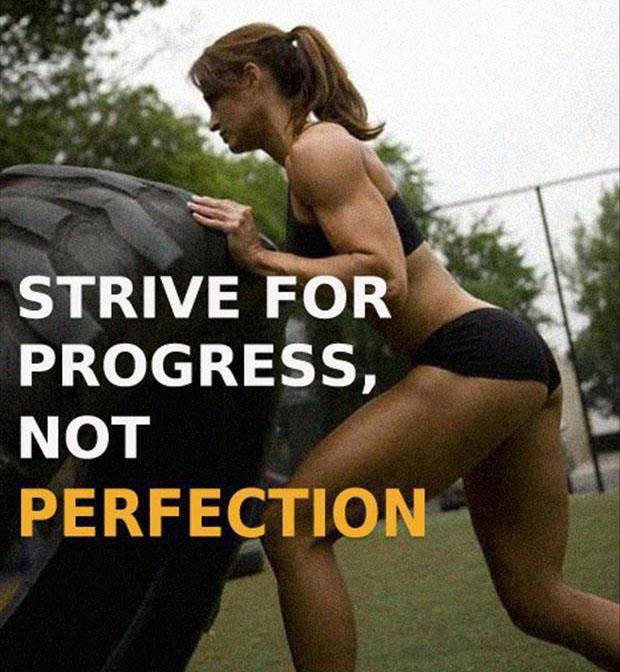
Weight loss and getting into shape can be a continuous battle for a lot of people. Dieting is not enough for most people, and implementing an exercise program is typically needed. The primary focus in a weight loss based exercise program should be to find a regimen you enjoy.

This makes it more likely that you would stick with the exercise program, instead of leaving it behind due to disdain. If you do not like to jog, why put your mind and body through it? By finding exercises that you enjoy, you will be more likely to stick with it.
exercise program

Before you start an exercise program, you should check with your primary care doctor to ensure you are healthy enough for the level of activity required. After you have established that you are healthy enough for the activities you plan to do, set your long-term goal and short-term goals. After determining your long-term goal, break it down into more manageable, smaller tasks. For example, if your overall goal is to lose thirty pounds, you can break the goal down further by saying you want to lose two pounds per week.

When you are involved in any weight loss based exercise program, it is important that you take the time to warm up properly before you begin exercising. Warming up before working out helps you avoid muscle and tendon injuries, and results in a lower risk of developing strains and sprains.
While you are exercising, make sure you have plenty of water. It is essential that you keep plenty of room temperature water on hand while you are exercising. This is because cold water can cause stomach cramps while you are working out, and your body is hot. Keeping yourself hydrated at all times will keep your muscles performing at their best, and prevent them from becoming extremely sore the day after your workout.

During your exercise routine, it is important that you switch between cardio exercises and weight training exercises. By switching up your exercise, your body will experience maximum results, and you will be able to burn more fat than if your body can predict what will happen next.

At any time, if you become tired during your exercise, take a break. When your body is tired, you are more likely to become injured. If your goal is to lose weight and get back into shape, the last thing you need is to put yourself in a situation where you can become injured.

Some people who have developed a weight loss exercise program have found that it is better to exercise in groups. If you are someone who is more likely to push themselves when you are in a group, joining a gym or exercise club may have great benefits. And when you are working out with other people, is possible that you will have more motivation, which will translate to more overall success.

If you are trying to lose weight, do not depend on diet alone. It is essential that you make a total lifestyle change for future success. Exercising to lose weight is one of the best methods to shed extra pounds. Not only will you feel better because of the exercise, you will be able to build lean muscle mass and look better too.

How Rest Periods Affect Muscle Growth

One of the most important yet most hotly debated and misunderstood aspects of a good workout routine are rest periods. Rest periods are crucial for muscle growth. How do rest periods affect muscle growth and what’s the optimal rest period? Let’s explore these questions.

Why Rest Periods Are Crucial

rest periods

There are a few reasons why rest periods are crucial.

First of all, when you exert your muscles you’re building up lactic acid and hydrogen ions. In small doses, these substances don’t harm your body at all. However, during a workout these substances can really build up to substantial amounts.

These substances will prevent your muscles from exerting themselves fully and cause more fatigue. In other words, it can cause you to tire yourself out without actually making any progress towards your goals.

Even worse, however, is that lactic acid and hydrogen ions can prevent the proper delivery of proteins to your muscles. In other words, your muscles won’t be getting the necessary building blocks they need to build stronger muscles.

The other reason rest periods are crucial is because of the way muscle building works. You’re basically causing tiny micro injuries in your tissues when you work out. Then when you rest, the body repairs the muscles and makes them stronger than before.

If you don’t have proper rest periods, you’ll just continually injure your body without actually gaining muscle. That can be very unhealthy.

What’s the Proper Rest Period?

The proper rest period is about 48 hours for each muscle group. That said, it’s really rare that someone can actually work out one muscle group three times in a week. More realistically, your rest period is probably going to be more like two to four days per muscle group.

Resting your muscle groups doesn’t mean not working out. It basically means you alternate working out different parts of your body. For example, you might work out your upper body today, then work out your lower body two days from now, then work out your upper body again a couple days after that.

Also try not to workout three days in a row. Working out a couple days in a row is fine, but keep in mind that even if you’re switching up the muscle groups it still takes your body a lot of energy to repair tissue every single day.

If you’re continually working out without rest, even if they’re different muscle groups, the micro tissue injuries and the lactic acid will build up.

Rest periods are a critical element of strong muscle growth. Make sure you’re getting enough rest by spacing out your workouts and alternating the muscle groups you’re training. Sometimes the best thing for your muscles and your workout routine is a nice break.

Why Calories Aren’t a Good Metric

When it comes to losing weight or building muscles, the amount of calories you eat is one of the most common metrics you’ll find talked about. Unfortunately, this simply is not a good metric for tracking and improving performance.

A calorie is just a unit of measurement for energy. One single calorie is equivalent to the amount of energy you would need in heat to raise the temperature of one gram of water one single degree Celsius.

calorie


That energy is then converted into food and measured to see how much energy you’re taking into your body.

However, this kind of measurements doesn’t take into account many of the crucial factors that actually determine how much weight you gain or lose.

 It’s Not What You Eat, It’s What’s in Your Body

One often overlooked aspect of calorie counting is the measurement of how many of the calories you eat actually end up in your blood stream.

Two people could eat the same meal and have completely different amounts of fats, vitamins, minerals and toxins absorbed by the body.

One person may take in a lot of the fat and gain weight as a result, while another person could eat the same meal and have the fats pass right through his body.

In this case, what matters really isn’t how many calories you’re eating, but how many calories are absorbed.

It Leaves Out the Quality of the Food

Of course, measuring calories completely leaves out the measurement of the food quality.

Is a calorie of ice cream the same as a calorie from organic lean meat chicken? Just a few decades ago, health experts would have said “yes.” Today however, the answer is a resounding “no.”

Where your calories come from play a much larger role in determining whether you gain weight or lose weight than most people imagine.

Other Metrics

There are many other metrics you can use to track your progress.

One of the best metrics is your body fat percentage. If your body fat percentage is going up, then there’s probably something your dietary habits that you need to change. If it’s going down, you’re probably doing something right.

Keep a food journal and write down everything you eat. Then compare what you ate to the fluctuations in your body fat percentage. This information can help you identify which kinds of meals result in better results for your body.

This is a much more effective approach than measuring raw calories, which have a different effect on different people.

Another metric you can use is BMI. While the BMI equation isn’t perfect, for the majority of people it can provide a very good indicator of overall muscle health.

In short, calories really have limited use for someone who’s looking to build muscle or lose weight. It simply leaves too much information out to be useful. Instead, try using other metrics that actually give you data that can help you follow the correct course.

Identify Your “Why” to Build Inner Motivation

One of the most important questions you should ask yourself when you’re beginning your body-building journey is: Why? This question is so crucial, yet many people fail to ask it.

If you have a clear, concise and well-grounded answer to this question, you’ll be able to stick with your exercise routine through good times and bad. You’ll put in the time to study the theory, you’ll put in the time at the gym and you’ll have the inner motivation to put in an extra rep even when your muscles already hurt. It’ll make all the difference.

weight

On the other hand, if you don’t know your “why,” chances are you’ll start your workout routine, stick with it for a few days or weeks and then fall off the bandwagon when the going gets tough. After all, building a great body takes effort. You need to have the motivation to make it happen.

Identifying Your Why

Start with looking at your fitness goals. Different kinds of fitness goals tend to have different motivations.

Are you just trying to lose some weight? If so, what’s the most important thing you think you’d gain by losing that weight? Is it better health, more energy and a likely longer lifespan? Is it more social acceptance? Or more attention from the opposite sex?

If you’re skinny and want to bulk up a bit, again – ask yourself why. Why is having muscle mass better than having a skinny body? How will your life be different if you had more muscle mass?

Look at your goals and ask yourself: Why do I want my body to look this way? Often times finding your “why” is a matter of looking inward rather than outward.

Write Down Your “Why”

As the saying goes, “where there’s a will, there’s a way.” To keep your “why” alive, write it down on paper and keep it somewhere visible.

On days when you just don’t feel like getting up to go to the gym, that piece of paper can give you the push you need to get off the coach and into the gym.

Writing out your “why” also serves another function. Often times when trying to figure out your why, you’ll have a sense for it but not be able to put it into one concise sentence. Writing it out will help you form your why into a more concrete form.

To sum it up, finding your why is one of the most important aspects of being able to successfully keep up an exercise routine. If you have a strong enough reason for wanting to change your body, you can. Just make sure to keep reminding yourself of that reason, especially when times get tough.

The Truth about Muscle-Building Supplements

Open any fitness magazine and you’ll fine ad after ad promoting supplements, diet pills and protein shakes. With every product proclaiming itself to be the one thing you need to put on the muscle you’ve always wanted, how do you actually decide what kind of supplement to take or not to take?

In this article, we’ll take a good hard objective look at supplements in the health industry. We’ll look at who should and who shouldn’t take supplements, as well as what kinds of supplements you should take if you do choose to supplement.

supplements

The Magic Pill Mentality

One of the biggest drivers of the supplement industry is the magic pill mentality. Customers who aren’t willing to put in the work to actually lose weight and gain muscle instead turn to supplements and diet pills. They read the advertisements, get excited and make a purchase.

More often than not this mentality won’t produce actual results. The customer then either gets disillusioned and quits, or they go back to buy a different supplement pill.

If you want to build muscles, this method just won’t work.

Supplements Can Only Support Strong Fundamentals

Your supplements can only support your exercise routine if you already have strong fundamentals. If you’re eating right, drinking enough water, doing the right workouts, working out consistently, alternating muscle groups and doing all the other things you need to do, then supplements can help give you that 20% edge to take you to the next level.

But if you don’t have the fundamentals down, supplements just won’t help. Supplements can’t be, have never been and never will be a magic pill that can replace working out.

More Is Not Always Better

Many supplements are based on the premise that more is better. In reality, more protein or more vitamins may not be what your body needs at all. If you structure your diet right, you can get the vast majority of all the nutrients you need right in the food you eat. Artificially adding more protein or vitamins through supplements can often be ineffective, expensive and potentially even harmful if your body doesn’t actually need it.

Who Should Use Supplements?

Who should actually use supplements, then?

Supplements can be used if there are nutrients in your diet that you aren’t getting enough of. Only use supplements if you already have your fundamentals in order and want to get an extra boost to reach your goals faster.

If you already have all your nutritional needs handled, you might also want to consider an energy-boosting supplement like creatine. Unlike other supplements that focus on nutrition, these supplements actually make it so you can push harder during your workouts.

In general, muscle builders would be better off ignoring the majority of supplement advertising and focusing on building a solid workout routine. That said, if you have the fundamentals handled, supplements can give you a nice progress boost.

Compound Exercises: The Fundamentals of Good Muscle Building

When it comes to muscle building, all exercises can be separated into two different camps. On one side are the compound exercises, on the other side are the isolation exercises. They each have very different functions.

As the name might suggest, compound exercises are workouts that exercise multiple muscle groups at the same time. Isolation exercises are exercises that target a specific muscle group.

muscle

If you’re trying to build muscle, using compound exercises is a much better way to go about it. Both for building overall tone and putting on muscle, compound exercises will get you there faster.

Compound exercises work out your muscles, your tendons, your joints and your ligaments. It puts the most strain on the area of your body that’s the weakest, strengthening the overall system. It’s the “broad strokes” of building overall muscle quickly.

Is There a Time When Isolation Exercises Are Better?

Yes, there is. Isolation exercises are great for targeting and improving a specific muscle group that’s out of balance.

If your right triceps is larger than your left for example, you might want to do some isolation exercises targeting just your left triceps.

Compound exercises are the fastest way to build muscle mass in your body in general. However, compound exercises aren’t great for laser-targeting specific parts of the body to develop.

Isolation exercises also have an additional benefit of being able to put on short-term mass quickly. Professional bodybuilders will often do isolation exercises before a major competition to add an inch or so of muscle. This muscle doesn’t last, however, and will disappear if you stop working out.

To build muscles that really last, start with compound exercises, then refine your body with isolation exercises if imbalances come up.

A Few Popular Compound Exercises

What are some of the most popular and proven compound exercises in bodybuilding?

Perhaps the most popular is the bench press. The bench press works out many of the muscles in your upper body, including the many muscles in your arms and your back.

Squats are another popular compound exercise. Everything from your calves to your thighs to your buttocks is worked out by squats.

Dead-lifts are another popular compound exercise. Dead-lifts will work out your abs, your leg muscles, your back muscles, your hips and your forearms.

Of course there are many other compound exercises you can choose from depending on your fitness goals. Pick the exercises you use based on the kind of body you want to develop.

In summary, compound exercises are the main building block to a solid workout routine. While isolation exercises are definitely important for sculpting the body and perfecting muscle balance, the actual work of building muscle should be done primarily with compound exercises.

Four Common Muscle-Building Myths

Bodybuilding is a field that’s often flooded with a lot of conflicting advice. While conflicting advice can sometimes have two right answers, very often the advice that’s given is just plain wrong.

In this article, we’ll expose four of the most common muscle-building myths.

Myth #1 – Eat More If You Want to Build Muscle


One common myth is that if you’re skinny and want to gain muscle, you need to consume a lot of calories. Unfortunately, this is more likely to get you fat than get you built.

Yes, if you want to gain muscle mass you do need to eat a few more calories than you’re burning. But you don’t need to consume 2,000 more calories than you’ve been eating in the past.

Eat more food, but don’t stuff your body with calories. It’s not healthy and won’t help get you where you want to go.

Myth #2 – You Should Tense Your Abs When Lifting Weights

Another common myth is that tensing up your abs when you’re lifting weights will help give your spine more support, thereby reducing the likelihood of injury.

This myth stemmed from a research study that was conducted, showing that people who had back pain tended to have lax abdominal muscles. They concluded that by tensing up the ab muscles, back support was increased which reduced back pain.

This story spread among the bodybuilding community and has come to be accepted as fact today. Unfortunately, it’s just plain wrong.

In reality, your body naturally knows what to do when it’s lifting heavy objects. Yes, you do need to tense up your abs – but your body does that automatically already. If you tense up your abs even more manually, you can throw off the whole system and actually increase your chances of injury.

Myth #3 – The Trick Is to Eat a Lot of Protein

Yes, eating a lot of protein is crucial. However, just increasing the amount of protein you eat isn’t going to cut it.

In order to really make a difference in your muscles, you need to have the right kinds of proteins. You also need to have the right combination of proteins; and you need to eat other foods that support that protein intake.

Yes, increasing proteins is important – but it’s not the magic pill.

Myth #4 – The Path to Losing Fat is Not Eating Fat

Finally, a lot of people who decide to start building muscles decide that they need to cut all fats out of their diet. Unfortunately, this is actually harmful rather than helpful.

Your body needs fats in order to operate properly. Yes, you should definitely get rid of trans fats and oily foods, but it’s important to keep consuming healthy fats so your body has the resources it needs to work properly.

You can actually lose more fat by eating enough of the right kinds of fat than if you tried to cut out all fats from your diet.

These are four of the most common myths in bodybuilding today.

Your First Three Months at the Gym

Your first three months at the gym can be a whirlwind of experiences. You’ll have to get to know a lot of different equipment, meet a lot of different people with different approaches to body building and have to get to know a completely different environment, while consistently working out in a way that’ll actually produce results.

Here are a few tips for your first three months at the gym.

gym

Take Advantage of the Free or Discounted Personal Trainer Offers

Most gyms will offer you a free or discounted personal trainer session as part of your gym membership. Take advantage of this offer.

Usually the trainer will start by giving you a guided tour of all the different equipment in the gym. This alone is worth the time it’ll take. This tour will allow you to get the most out of your gym experience.

Then your personal trainer will ask what your goals are and discuss different workout options and dietary tips to help get you there.

Yes, they’ll probably try to sell you a training package at the end of the hour. If you don’t want to sign up, just let them know – don’t worry, they won’t be offended. They get that every day.

Try to Find the Most Fun Thing in the Gym

If going to the gym feels like a chore to you, chances are you won’t keep up the habit in the long run.

Instead of forcing yourself to do exercises you don’t like or to use unfamiliar equipment, try to find the thing that you enjoy the most in the gym.

For example, if they have a swimming pool, why not go for a swim and see if you like it? If they have kickboxing classes, hot yoga classes or group cycling classes, why not give those a shot?

Once you’ve found something you enjoy and you’ve gotten in the habit of going to the gym regularly, then you might consider doing something a little more challenging. But in the beginning, focus on finding something that you really enjoy.

Find a Buddy

Talk to the other people in the lockers, in the cafeteria or after group classes. Make friends who are also passionate about fitness.

Having friends to compare notes with, to learn from and to share experiences can really help keep you motivated. And it’s more fun. You’ll also have a spotter for exercises like the bench press.

The most challenging part of developing a new gym habit is sticking with it for the first thirty days. Once you get in the habit of going to the gym, you can then spend your time and energy on building the perfect workout. In the beginning, though, just work on building the habit of going to the gym regularly.

Fitness Apparel

In a sports apparel specialty store you will delight at the wide range of clothing plus accessories that is available in the market. Specific sporting apparels like golf, fitness exercise, equestrian and yoga are very much available.

The apparel for sports like surfing or rafting and even mountaineering are abounds. The wet-suits are perfect for surfing apparel. The sports apparel include caps, batting gloves and rafting vests. Here’s a short list on how to choose your sports and fitness apparel.

apparel

The Golf Wear

The golf apparel can be found in any specialty sport store. The golf apparel usually includes a trouser with a t-shirt. In golf apparel, comfort is the most important factor. Chinos are also very popular golf wear. Hats and caps of varying designs and makes are also available. Of course outlandish gears worn by some professional golfers are also available.

The Running / Fitness Wear

The running apparel is best made with cotton to retain moisture that causes friction and might lead to possible chafing. The running shorts and tights including the cotton socks are the basic running gear. When running apparel is being chosen, try to select a base layer top which keeps you dry for an extended run. Comfortable and fit running shoes must be matched to keep you fresh on the run. The fitness gear pertains to all kinds of apparel including aerobics and gymnastics. The multi-colored tights and leotards are the best and most comfortable during a workout. The fitness gear must be selected with care. Choose the proper material and correct size when selecting the fitness gear is a must.

The Athletic Apparel


The athletic apparel must be chosen with the climate and weather in thought. An apparel that is not suited for the weather will hinder the performance of an athlete. A popular athletic wear is the running or jogging pants with a drawstring waist. These type of athletic apparel can be purchased at discounted rates. The all weather gear is designed to keep most of the elements out. An athlete depends on the athletic gear to perform at his best.

The Equestrian Apparel

The equestrian gear is mainly about breeches and boots. There are specialty equestrian stores that stock clothing and other equipment for riding. The casual equestrian gear could be riding breeches matched with a plain shirt. The paddock boots available also at equestrian apparel stores complete the set for an equestrian. A pair of riding pants and a jersey can be bought at an equestrian apparel store. When having lessons on riding, you may want to look online for equestrian stores to see and choose an outfit which lets you ride with great style and comfort. A little pricey in most cases but may be worth the price. A western style of gear is also available in specialty shops.

The Yoga Apparel

The yoga apparel must be very comfortable and loose for easy movement. A t -shirts and a loose-fit short are basic yoga apparel which will keep you fresh and comfortable. Also, it does not cost much. The designer yoga apparels are available at special yoga stores. Yoga Capri pants and unitards are available at yoga apparel store. The special Asana clothing can be found at very exclusive yoga outlets.

Fitness Trainer: Boredom Busters

One of the biggest obstacles to staying on track for fitness is losing motivation. People are just starting an exercise program can find themselves quickly tired of the same routine. Keeping exercise appealing and maintaining a good fitness perspective is key to long-term success.

If you have to watch the exact same episode of your favorite television show every day for the rest of your life, you would probably be banging your head against the wall by the end of the week. You would change the channel, pick up a book, or do anything you could to avoid something you once enjoyed.

fitness

Yet, many people starting on a fitness program feel compelled to follow the same routine, day after day after day, and consequently fall off the exercise wagon due to sheer boredom.

That is why, most people would want the services of a fitness trainer in order to provide them the different portions of the fitness program in a more livelier style.

Fitness trainers are actually those who are expert in analyzing and creating a fitness program that is right for you. They are the ones who will calculate your appropriateness to a certain program with regards to your “fitness level,” create the program according to your specific needs, and keep you stimulated and inspired by giving you activities that will not bore you.

But then again, as with other entities included in the fitness world, not all fitness trainers are created equal. They may vary from the different training that they have, the health education they have acquired, and the skills that they have learned.

Hence, it is important to consider some factors that will determine if a certain fitness trainer is right for you. Here is how:

Certification

Like any item or product, the quality is sometimes measured and determined through the certification that goes with it. Hence, before you choose your fitness trainer, it is important to verify if the trainer is duly certified by a highly regarded fitness association. It is also best to choose a trainer that has a CPR certification or first aid qualifications.

Education/Training

Be sure to choose a fitness trainer who had acquired an adequate training and education as far as health and physical fitness is concerned.

Even though it is not necessary, trainers who have acquired education connected with health or any other related field will definitely have an edge over the others.

Knows how to give the right attention

A good fitness trainer should know how to provide his or her client an undivided attention whenever their session is going on. In this way, the trainer will be able to focus more on the details that needs attention and immediate considerations.

Knows how to track development

It is best to choose a fitness trainer that knows how to track his or her client’s progress as far as fitness is concerned.

In this way, the trainer will be able to generate new activities and training designated for a particular result of the client.

Good Personality

Since you will be dealing most with your fitness trainer, it is best if you will look for somebody with a pleasing personality, somebody whom you can be comfortable. It is best to hire the services of somebody whom you can easily get along with.

Boiled down, the services of a fitness center and the contributions it can give you while working out on those belly fats, are, indeed, one of the best help that you can get from a professional person who knows what he is doing.

Hence, it is best to choose the best person who can give you the best services that you need so that you will never get bored again.